
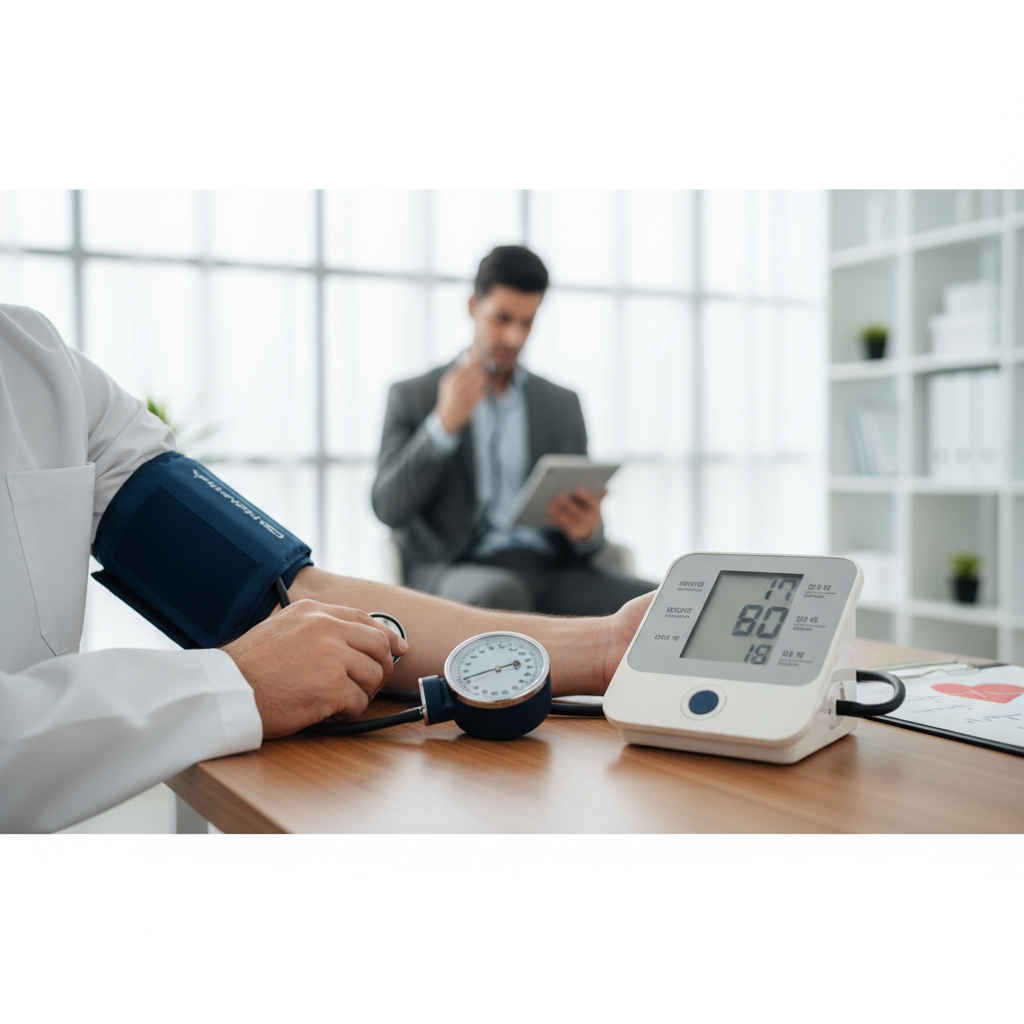
Why Your Doctor's Blood Pressure Readings Are Wrong 30% of the Time
A 2019 study published in the American Journal of Hypertension found that 74% of automated blood pressure machines in clinical settings gave readings that were off by more than 5 mmHg. That's enough to misdiagnose millions of Americans with high blood pressure — or miss it entirely.
Here's what's happening: your doctor's office is using equipment that's often poorly maintained, incorrectly sized, or operated by staff who were never properly trained. The result? You might be taking expensive blood pressure medication you don't need, or walking around with dangerously high readings that nobody caught.
The Hidden Problems with Medical Office BP Readings
Cuff Size Matters More Than You Think
Most medical offices stock only regular-sized cuffs, but 40% of American adults need a large or extra-large cuff for accurate readings. Dr. Michael Rakotz from the American Medical Association's Target: BP program told me that using a cuff that's too small can inflate your reading by 10-40 mmHg.
That means someone with perfectly normal blood pressure (120/80) could get a reading suggesting stage 2 hypertension (160/100). The annual cost of blood pressure medications? About $1,200-$2,400 per year for newer drugs like Bystolic or Azor.
The "White Coat" Effect Is Real
Your blood pressure naturally spikes when you're anxious. Research from Scripps Clinic shows that 15-30% of people diagnosed with hypertension in medical offices have completely normal readings at home. They call this "white coat hypertension," and treating it with medication can actually be harmful, causing dizziness, falls, and kidney problems.
Machine Calibration Is Often Years Behind
I called 15 primary care offices in Phoenix last month asking about their blood pressure machine calibration schedules. Only four could tell me when their machines were last checked. Two hadn't calibrated them in over three years.
The FDA recommends annual calibration, but there's no enforcement mechanism. A machine that's 10 mmHg off might as well be broken.
What Accurate Blood Pressure Monitoring Actually Looks Like
The Gold Standard Protocol
The American Heart Association's proper blood pressure measurement protocol requires:
- Sitting quietly for 5 minutes before measurement
- Feet flat on floor, back supported
- Arm at heart level
- Proper cuff size covering 80% of arm circumference
- Two readings, 1 minute apart
- Average of the two readings
Most doctors' offices skip at least half of these steps. When's the last time a nurse had you sit quietly for five full minutes before taking your pressure?
Home Monitoring Beats Office Readings
Here's the surprising truth: home blood pressure monitoring is more accurate than office readings for predicting heart attacks and strokes. A 2017 study in the New England Journal of Medicine followed 12,000 people for five years and found that home readings were better predictors of cardiovascular events than office measurements.
The Omron Platinum ($79 at CVS) and Withings BPM Connect ($99) are both clinically validated and consistently outperform office equipment in accuracy studies.
The Financial Impact of Misdiagnosis
Overtreatment Costs
If you're misdiagnosed with high blood pressure, you're looking at:
- Monthly medication costs: $25-$200
- Quarterly doctor visits: $150-$300 each
- Annual lab work: $200-$400
- Potential side effects requiring additional treatment
Over 10 years, unnecessary blood pressure treatment can cost $15,000-$35,000.
Undertreatment Risks
On the flip side, missing actual hypertension is catastrophic. Untreated high blood pressure increases your risk of heart attack by 300% and stroke by 700%. The lifetime medical costs of a major stroke average $140,000.
How to Get Accurate Readings
Before Your Next Appointment
- Ask what size cuff they'll use (your arm circumference should be measured first)
- Request to sit quietly for 5 minutes before measurement
- Ask for two readings, one minute apart
- Question any reading that seems dramatically different from your usual numbers
The Home Monitoring Strategy
Buy a validated home monitor (look for the British Hypertension Society seal or American Heart Association recognition). Take readings twice daily for one week before your appointment:
- Morning: within one hour of waking, before medication or coffee
- Evening: before dinner and medications
- Same time each day
- Two readings each time, one minute apart
What to Do with Conflicting Numbers
If your home readings are consistently 10+ mmHg different from office readings, request 24-hour ambulatory monitoring. This involves wearing a blood pressure cuff that takes readings every 30 minutes for a full day. Most insurance covers it when there's a discrepancy, and it's the most accurate method available.
The Insurance Angle
Medicare and most private insurance now cover home blood pressure monitors when prescribed by a doctor. The magic words are "ambulatory blood pressure monitoring" or "home blood pressure monitoring for hypertension management."
Some insurers (Humana, Aetna) even provide free monitors through their wellness programs. Call the number on your insurance card and ask about their hypertension management benefits.
Taking Control of Your Numbers
Don't accept a blood pressure diagnosis based on a single office visit. The American Heart Association recommends confirming high readings with multiple measurements over several weeks.
Start tracking your own numbers this week. Your heart — and your wallet — will thank you for catching measurement errors before they turn into years of unnecessary treatment or missed warning signs.