
Why Your Dream Kitchen Might Be Destroying Your Healthy Eating Goals
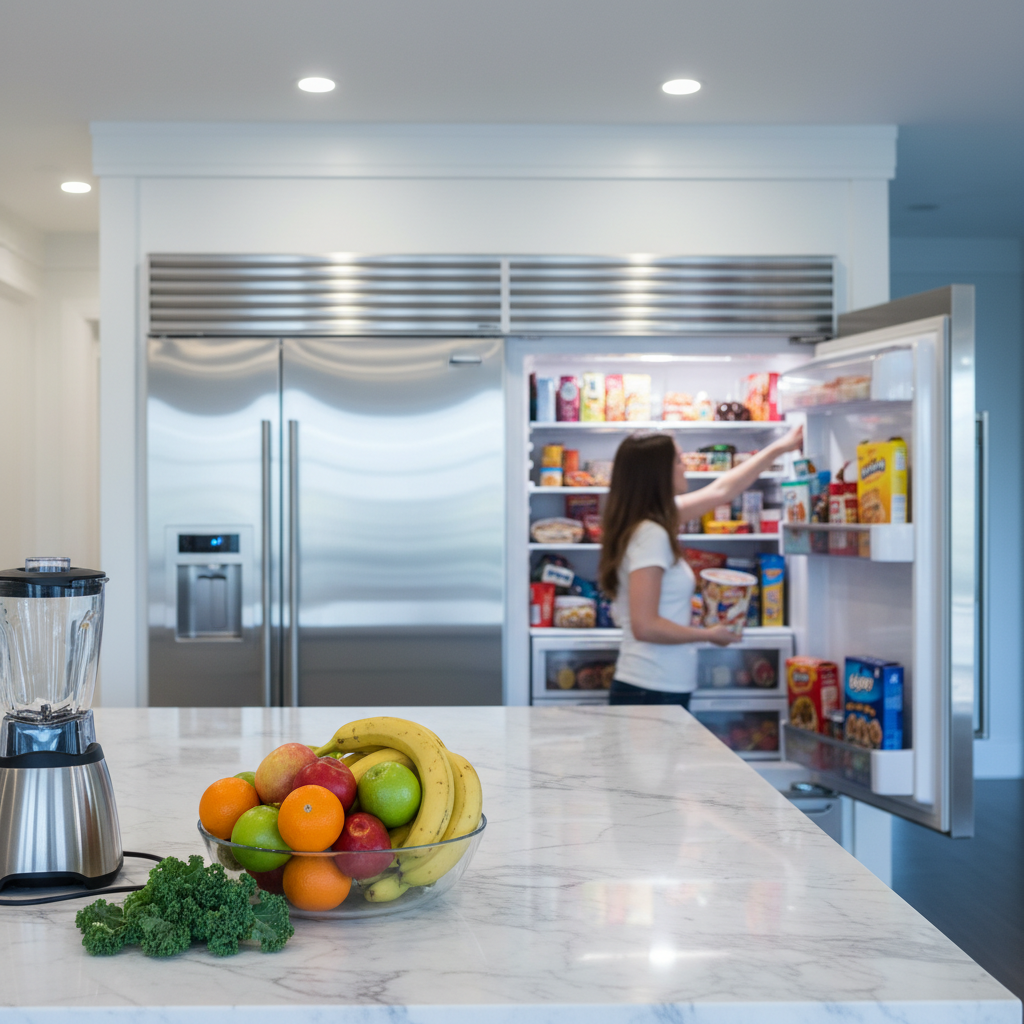
Sarah dropped $45,000 on her dream kitchen renovation in Austin last year. Marble countertops, a massive island, and a wine fridge that could stock a small restaurant. Six months later, she'd gained 12 pounds and was spending $200 more per month on takeout than before the renovation.
The Kitchen Paradox That Real Estate Agents Don't Discuss
Here's what nobody talks about during those HGTV-inspired kitchen tours: bigger, fancier kitchens often lead to worse eating habits and higher food costs. I see this pattern repeatedly with my nutrition clients who move into homes with elaborate kitchens.
The problem isn't the kitchen itself. It's how we design and use these spaces.
Most kitchen renovations prioritize aesthetics over functionality. That stunning marble island? It's often too high or too low for comfortable food prep. Those gorgeous deep drawers? They become black holes where healthy ingredients disappear and expire.
The $15,000 Mistake Most Homeowners Make
Walk into any model home or browse Zillow's luxury listings. You'll notice the same pattern: enormous islands dominating the center, with the actual workspace pushed against the walls.
This layout looks impressive but creates what kitchen designers call the "triangle problem." The distance between your fridge, sink, and stove becomes so spread out that simple tasks like washing vegetables or prepping ingredients feel exhausting.
When healthy cooking feels harder, we default to convenient options. That's how Sarah ended up ordering DoorDash three nights a week despite having a kitchen that could grace a magazine cover.
The Surprising Science Behind Kitchen Design and Food Choices
Researchers at Cornell University found that people with cluttered, poorly organized kitchens consume 44% more snack foods than those with streamlined, functional spaces. The visual chaos triggers stress responses that drive us toward high-calorie comfort foods.
But here's the twist: the most functional kitchens aren't always the most expensive ones.
I've worked with clients in $8,000 IKEA kitchens who meal prep like champions, and others in $80,000 custom spaces who can barely manage to brew coffee. The difference comes down to three specific design principles that have nothing to do with budget.
The Three Non-Negotiables for a Health-Supporting Kitchen
1. Counter Space Within 24 Inches of Your Sink
This measurement matters more than any fancy appliance. You need at least 18 inches of clear counter space immediately adjacent to your sink for washing, chopping, and prepping vegetables.
Most kitchen designers sacrifice this workspace for visual appeal. Don't let them.
When washing and prepping vegetables feels effortless, you'll actually do it. When you have to hunt for counter space or clear clutter first, that bag of baby spinach dies a slow death in your crisper drawer.
2. Eye-Level Storage for Healthy Staples
Your quinoa, brown rice, nuts, and healthy oils should live in the cabinets between your shoulders and eye level. Not in a pretty pantry across the room. Not in that gorgeous but impractical upper cabinet that requires a step stool.
Convenience drives food choices more than willpower ever will.
3. A Dedicated Prep Zone (Not Your Island)
Islands are overrated for serious cooking. They're great for casual entertaining and homework supervision, but terrible for focused meal prep.
Create a dedicated prep station along your counter with everything you need within arm's reach: sharp knives, cutting boards, measuring cups, and a small bowl for scraps. This zone should be separate from your social/eating areas.
The Real Estate Red Flags That Signal Kitchen Trouble
When house hunting, these kitchen features often backfire for healthy eating:
- Islands larger than 4x8 feet (they create too much distance between work zones)
- Sinks positioned in islands (gorgeous but impractical for real cooking)
- Pantries located more than 10 steps from the main prep area
- Refrigerators tucked into corners or alcoves
- Fewer than three electrical outlets along the main counter run
That last point trips up more people than you'd expect. Insufficient outlets mean you're constantly unplugging appliances to use others, which creates friction around healthy habits like smoothie-making or food processing.
How to Retrofit Your Current Kitchen Without Renovation
Create Zones with Simple Tools
You don't need a contractor to fix a dysfunctional kitchen. Start by designating specific areas for specific tasks:
- Place a large cutting board permanently near your sink
- Keep a small trash bowl on the counter during prep (chef's secret)
- Store your most-used healthy ingredients in clear containers at eye level
- Invest in a rolling cart ($89 at Target) to bridge gaps between work areas
The 30-Second Rule
Any healthy ingredient should be accessible within 30 seconds of deciding to use it. Time yourself grabbing olive oil, grabbing a can opener, or accessing your spice collection. If any task takes longer than 30 seconds, that's friction working against your healthy eating goals.
Strategic Appliance Placement
Your blender shouldn't live in a cabinet. If you want to make morning smoothies, it needs to stay on the counter or in an appliance garage with easy access. Same goes for your food processor, coffee grinder, or whatever tools support your healthy habits.
I tell clients to prioritize counter real estate for appliances they want to use weekly, not store.
The Bottom Line: Function Over Instagram
The most beautiful kitchen means nothing if it doesn't support the lifestyle you want to live. Before you fall in love with those waterfall countertops or that statement backsplash, ask yourself: "Will this make healthy cooking easier or harder?"
Sarah eventually spent another $8,000 adding more prep counter space and relocating her pantry items. She could have saved money and months of frustration by prioritizing function from the start.
Next time you tour a home, spend five minutes imagining yourself prepping Sunday vegetables or packing healthy lunches. Your future self (and your waistline) will thank you for thinking beyond the surface.