
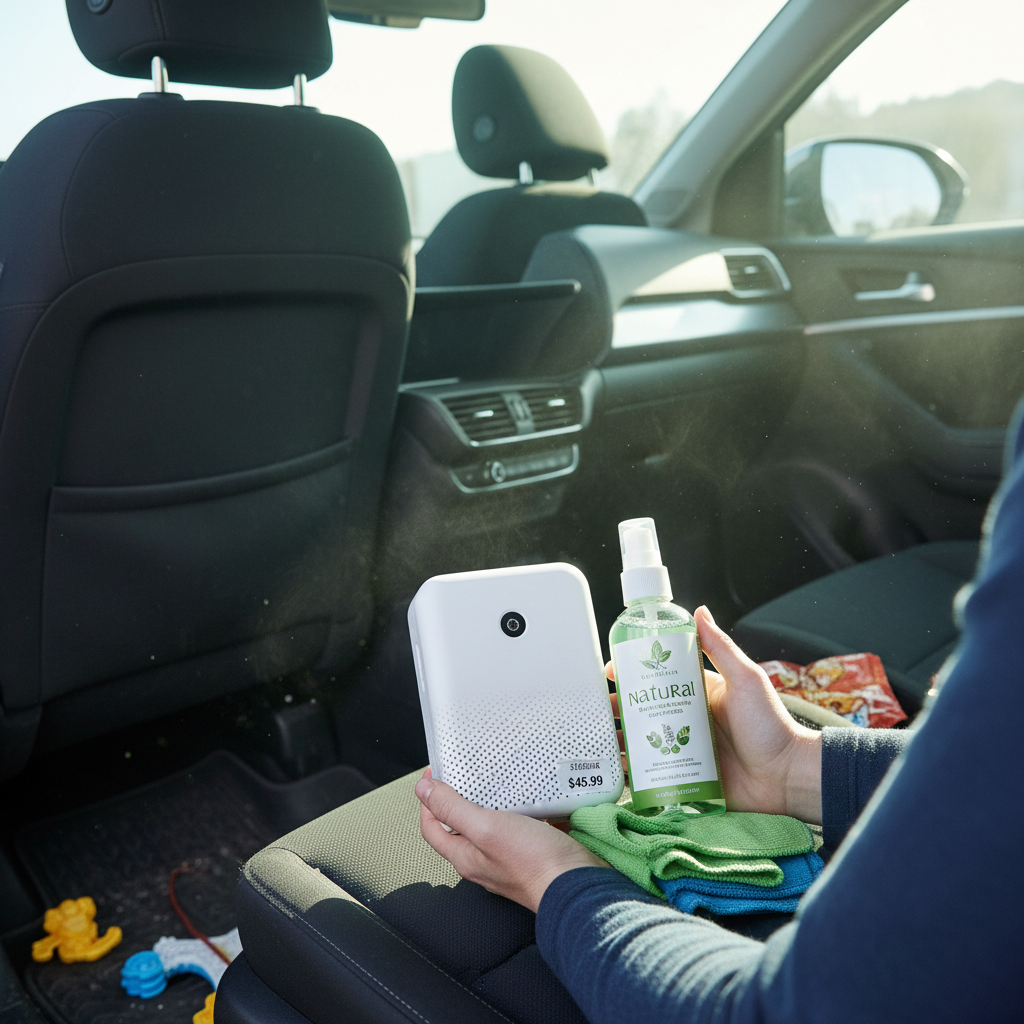
Why Your Family Car is Making You Sick (And How to Fix It for Under $100)
A 2023 study by UCLA researchers found that the air inside your car can be up to 15 times more polluted than the air outside. While you're sitting in traffic breathing what feels like "filtered" air, you're actually exposing your family to a cocktail of volatile organic compounds, particulate matter, and allergens that accumulate in your vehicle's enclosed space.
This isn't just about stuffy air or that new car smell (which, by the way, is actually toxic chemicals off-gassing from plastics and adhesives). Poor car air quality contributes to headaches, fatigue, respiratory issues, and can worsen asthma and allergies – especially problematic when you consider the average American spends 54 minutes per day in their vehicle.
The Hidden Health Hazards Lurking in Your Car
Your car's interior is basically a mobile collection site for pollutants. Every time you drive, you're picking up exhaust fumes from other vehicles, dust, pollen, and industrial emissions. But here's what most people don't realize: your car's ventilation system can actually make things worse.
The Cabin Air Filter Conspiracy
Most car manufacturers recommend changing your cabin air filter every 12,000-15,000 miles. That's terrible advice.
I recommend changing it every 6,000 miles, or twice a year minimum. Why? Because a dirty filter doesn't just stop working – it becomes a breeding ground for mold, bacteria, and traps pollutants that then get recirculated every time you turn on your AC or heat.
A premium cabin air filter costs $25-40. Compare that to the $200+ you might spend on allergy medications or the missed work days from respiratory issues. The Honda CR-V, America's best-selling SUV, uses a filter that costs $32 at AutoZone but takes literally 5 minutes to replace yourself.
Chemical Off-Gassing: The New Car Smell Problem
That "new car smell" everyone seems to love? Those are volatile organic compounds (VOCs) from flame retardants, plasticizers, and adhesives. Studies show these chemicals can cause headaches, dizziness, and long-term exposure may affect your nervous system.
The good news: this process peaks in the first few months and dramatically decreases after year one. If you're buying new, crack your windows for the first few months, even in winter. Your lungs will thank you.
Simple Solutions That Actually Work
You don't need to buy a new car or install expensive air purification systems. Here are evidence-based fixes that cost less than a tank of gas:
1. Upgrade to a HEPA-Style Cabin Filter ($35-50)
Skip the basic paper filters. Brands like Mann-Filter or Bosch make activated carbon filters that capture both particles and odors. The Mann CU 3037 (fits most Toyota and Lexus models) costs $45 and removes 99% of particles larger than 0.3 microns.
Installation is usually behind your glove box. YouTube has step-by-step videos for virtually every car model.
2. The 2-Minute Rule for Enclosed Parking
If you park in a garage, roll down your windows for the first 2 minutes of driving. This simple step can reduce your exposure to concentrated pollutants by up to 75%, according to research from the International Centre for Indoor Environment and Energy.
3. Strategic Vent Settings
Here's something counterintuitive: using "recirculate" mode isn't always better. When you're in heavy traffic or behind a diesel truck, yes, recirculate helps. But for normal driving, fresh air mode actually provides cleaner air because your cabin filter is working to clean incoming air rather than just cycling the same trapped pollutants.
Use recirculate only when:
- Stuck in traffic
- Driving through construction zones
- Behind visibly polluting vehicles
- Going through tunnels
The $15 Game-Changer Most People Ignore
Activated bamboo charcoal bags. I know, it sounds like wellness marketing nonsense, but the science is solid.
Place two 200-gram bags (one under each front seat) and replace them every 6 months. They passively absorb odors, moisture, and some VOCs. The Moso Natural Air Purifying Bags cost $15 for a 4-pack on Amazon and have over 40,000 positive reviews for good reason.
Special Considerations for Families with Kids
Children are more vulnerable to air pollutants because they breathe faster and their developing systems are more sensitive. If you have kids under 10:
- Never idle your car for more than 30 seconds (modern engines don't need "warm-up" time)
- Keep windows cracked during car washes – those cleaning chemicals are harsh
- Avoid air fresheners entirely; they're just adding more chemicals to your air
- Consider leather or synthetic seats over cloth, which traps more allergens
When Professional Help Makes Sense
If anyone in your family has severe asthma or allergies, spending $150-200 on professional cabin air duct cleaning every 2 years can be worthwhile. Jiffy Lube offers this service, though independent shops often do better work for less money.
Signs you need professional cleaning:
- Musty smell when you first turn on AC
- Visible mold around vents
- Persistent respiratory symptoms that improve when you leave the car
The Bottom Line: Small Changes, Big Health Impact
Improving your car's air quality doesn't require a new vehicle or expensive modifications. For under $100 per year, you can create a significantly healthier environment for your family's daily commutes.
Start with the cabin air filter. It's the single most impactful change you can make, and you can probably do it this weekend. Your respiratory system – and your wallet – will benefit far more than you'd expect from such a simple upgrade.