
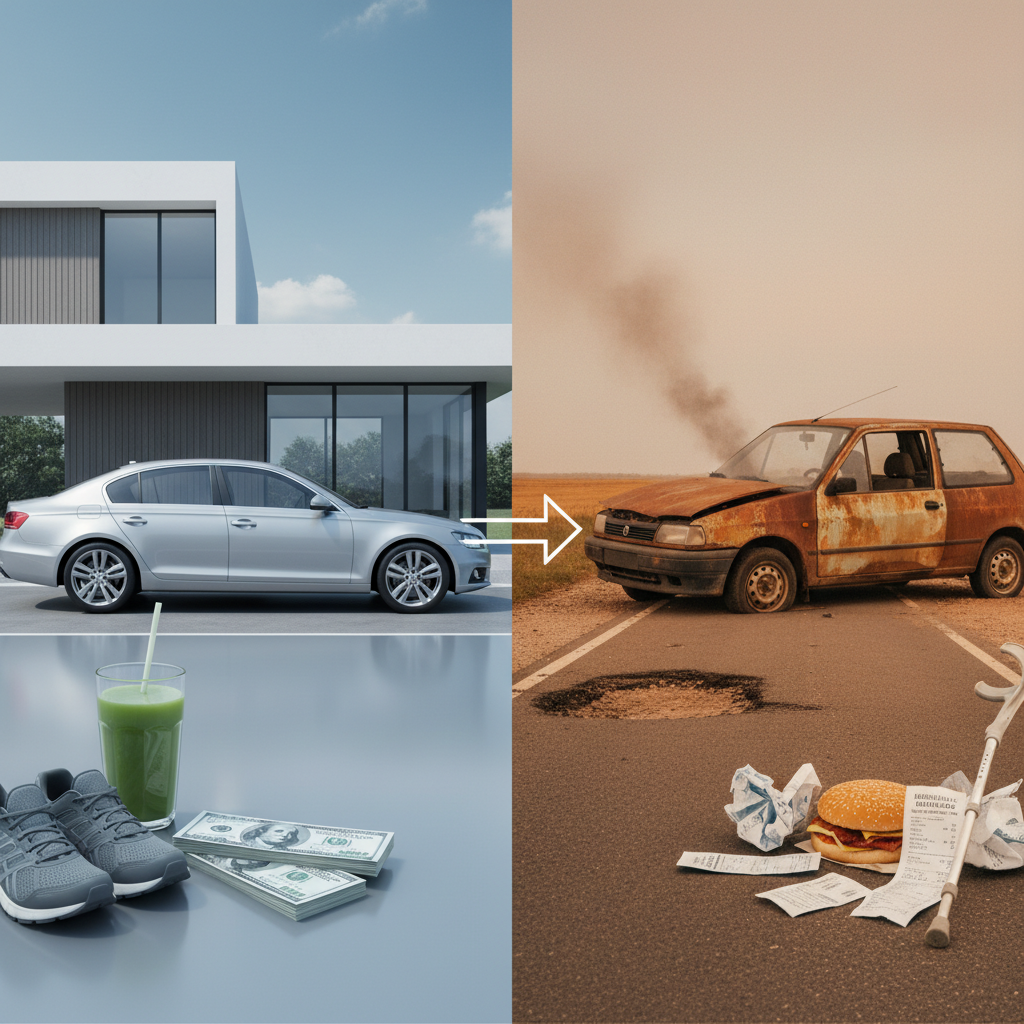
The Hidden Health Costs of Budget Cars: Why Spending $3,000 More Upfront Saves You $15,000 Later
Last month, my neighbor Sarah bought a used 2015 Nissan Versa for $8,500 because it was the cheapest car on the lot. Three months later, she's already spent $2,200 on repairs and missed six days of work due to breakdowns. Her "bargain" is costing her more than if she'd bought a reliable Honda Civic for $11,500.
This story plays out thousands of times every day. We think we're being smart by buying the cheapest car possible, but we're actually setting ourselves up for financial disaster and serious health consequences.
The Real Cost of Unreliable Transportation
When your car breaks down, the repair bill is just the beginning. Here's what most people don't calculate:
- Lost wages from missed work days ($150-300 per day for average workers)
- Uber rides to get around while your car is in the shop ($25-50 per day)
- Stress-related health issues from constant worry about reliability
- Emergency room visits from accidents caused by failing brakes or steering
- Higher insurance premiums after claims from preventable accidents
Sarah's Nissan has already cost her $1,800 in lost wages, $400 in ride-sharing fees, and $2,200 in repairs. That's $4,400 in just three months - on top of her $8,500 purchase price.
The Surprising Truth About "Reliable" Car Brands
Here's something that might shock you: some luxury brands are actually cheaper to own long-term than budget cars.
A 2018 Lexus ES 350 with 60,000 miles costs about $22,000 used. Expensive, right? Wrong. According to RepairPal data, Lexus owners spend an average of $551 per year on repairs. Compare that to Nissan Versa owners who spend $553 annually - and the Lexus will likely run for 300,000 miles while the Versa starts having major issues around 150,000.
The Secret Reliability Rankings Nobody Talks About
Here are the brands that offer the best value for health-conscious, budget-minded buyers:
- Toyota Camry (2016-2020) - $462 average annual repairs, holds value like crazy
- Honda Accord (2016-2019) - $428 average annual repairs, excellent safety ratings
- Mazda CX-5 (2017-2020) - $481 average annual repairs, fun to drive without the premium price
- Subaru Outback (2015-2019) - $508 average annual repairs, all-wheel drive standard
These aren't the flashiest choices, but they're the smart money moves.
How Car Reliability Affects Your Physical Health
This connection isn't obvious, but it's huge. Unreliable cars create chronic stress, which leads to:
- Elevated cortisol levels that weaken your immune system
- Sleep disruption from worrying about getting to work tomorrow
- Poor eating habits (fast food because you're always rushing between car troubles)
- Skipped medical appointments because you can't trust your car to get you there
Dr. Michael Chen, a cardiologist in Portland, Oregon, told me he sees patients regularly who developed anxiety disorders partly due to transportation stress. "When you can't rely on your car, you can't rely on your routine, and that chaos affects everything," he explained.
The Safety Factor Everyone Ignores
Cheap cars often lack modern safety features that prevent accidents and reduce injury severity. A 2014 Honda Civic has a 5-star safety rating and includes vehicle stability assist, anti-lock brakes, and multiple airbags. A 2014 Mitsubishi Mirage? It barely earned 4 stars and feels like driving a tin can.
Those safety features aren't luxury items - they're health insurance.
My Proven Strategy for Finding Reliable Cars Under $15,000
After helping dozens of friends and family members buy cars, here's my foolproof approach:
Step 1: Start with the reliability leaders Only look at Toyota, Honda, Mazda, and Subaru models from 2015 or newer. Yes, this limits your options. That's the point.
Step 2: Check the vehicle history like your life depends on it I use both Carfax and AutoCheck because they sometimes show different accidents. A clean history report is non-negotiable.
Step 3: Get a pre-purchase inspection from YOUR mechanic Dealership inspections are worthless. Spend $150 at an independent shop. This step alone has saved my friends thousands.
Step 4: Factor in the total 3-year cost Car price + insurance + estimated repairs + gas. The cheapest sticker price rarely wins this calculation.
Why Financing Might Be Smarter Than Paying Cash
Here's a controversial take: if you have $12,000 in cash, don't spend it all on a car.
Put $5,000 down and finance the rest at 4-6% interest. Keep $7,000 in your emergency fund for unexpected repairs, medical bills, or job loss. The peace of mind is worth the interest payments, and you'll avoid the temptation to buy a worse car just because you can pay cash for it.
Plus, car payments help build credit history if you're young or recovering from financial difficulties.
The Models I'd Buy Tomorrow (With Specific Years and Prices)
If I needed a car today with a $15,000 budget, here's exactly what I'd target:
- 2016 Honda Civic LX (around $13,500 with 80K miles) - Best overall value
- 2017 Toyota Corolla LE (around $14,000 with 75K miles) - Most reliable long-term
- 2016 Mazda3 Sport (around $12,500 with 85K miles) - Most fun to drive
- 2015 Subaru Impreza (around $13,000 with 90K miles) - Best for harsh weather
All of these should run reliably to 200,000+ miles with basic maintenance.
What I'd Avoid Like the Plague
Some cars look like bargains but are money pits waiting to happen:
- Anything from Chrysler, Dodge, or Jeep (except Wranglers)
- Nissan Versas, Sentras, and anything with a CVT transmission
- German luxury cars over 100,000 miles (BMW, Mercedes, Audi)
- Any car that's been in a flood (even if "professionally cleaned")
I don't care how good the deal looks - these will cost you more in repairs than you save upfront.
The Bottom Line: Your Car Is a Health Investment
Your car isn't just transportation - it's a tool that affects your job, your health, your stress levels, and your bank account every single day.
Spending an extra $3,000 on a reliable car saves you money, protects your health, and gives you peace of mind. That's not an expense - it's one of the best investments you'll ever make.
Start browsing AutoTrader and Cars.com this weekend, but only look at the reliable brands I mentioned. Your future self will thank you when you're driving worry-free while your friends are dealing with their third breakdown this year.