
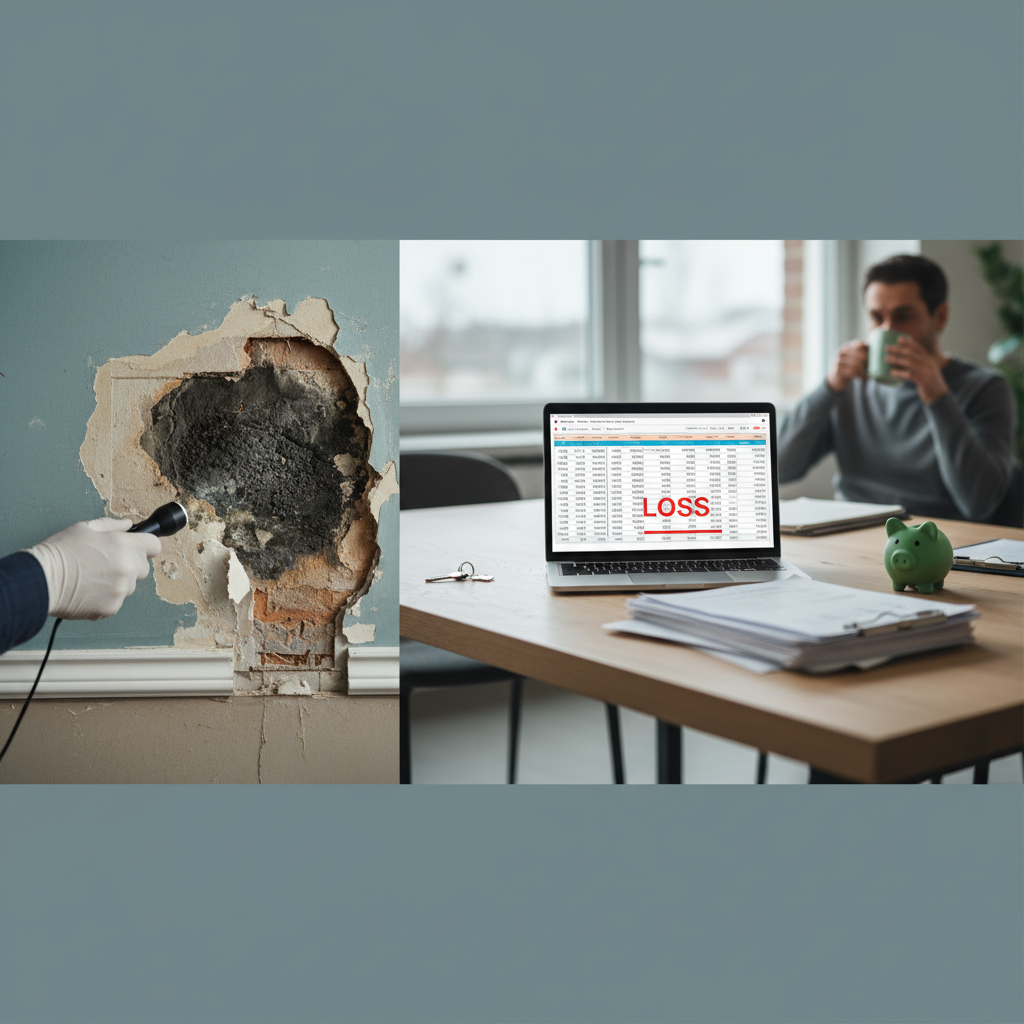
I Found $89,000 in Hidden Mold Damage After Closing — Here's How to Avoid My Costly Mistake
Three weeks after closing on what I thought was my dream home in Portland, Oregon, I noticed a musty smell in the basement. By the time I called a mold specialist, the damage was already done — $89,000 in remediation costs that my homeowner's insurance refused to cover.
Here's the kicker: a proper mold inspection during the buying process would have cost me just $400.
If you think your standard home inspection covers mold, you're wrong. Most general inspectors won't test for mold unless you specifically ask (and pay extra). This oversight costs American homeowners over $1.4 billion annually in unexpected mold remediation.
Why Standard Home Inspections Miss Mold Problems
Your typical $300-500 home inspection focuses on structural issues, electrical systems, and plumbing. But mold? That's considered a "specialty inspection."
Home inspector Mike Chen from Seattle explained it perfectly: "I can spot obvious water damage, but I can't see behind walls or under floors where 70% of mold problems hide."
The American Society of Home Inspectors doesn't even require mold testing as part of their standards. Shocking, right?
The Real Cost of Mold Goes Beyond Remediation
Health Expenses Add Up Fast
Mold exposure triggered my daughter's asthma, leading to:
- $2,400 in additional medical bills
- 12 missed school days
- Lost wages from taking her to appointments
The CDC estimates that mold-related health issues cost families an average of $3,200 annually in medical expenses.
Your Home Value Takes a Hit
Even after professional remediation, homes with mold history sell for 3-10% less than comparable properties. On a $400,000 home, that's potentially $40,000 in lost equity.
The Surprising Places Mold Hides (That Inspectors Miss)
Forget the obvious spots like basements and bathrooms. Here's where mold actually thrives:
- Behind vinyl wallpaper in bedrooms
- Inside HVAC ducts (especially in humid climates)
- Under kitchen sinks where small leaks go unnoticed
- Around windows with poor sealing
- In crawl spaces with inadequate ventilation
I discovered mold behind the washer and dryer connections — a spot no general inspector would think to check.
How to Spot Red Flags During House Tours
Trust Your Nose
That "old house smell" isn't charming — it's often mold. Fresh paint or air fresheners during showings? Red flag. Sellers might be covering something up.
Look for These Visual Clues
- Water stains on ceilings (even small ones)
- Peeling paint in bathrooms or kitchens
- Warped wood floors near water sources
- Excessive humidity (your skin feels sticky)
- White chalky residue on basement walls
Ask These Specific Questions
Don't just ask "Has there been water damage?" Get specific:
- "When was the roof last replaced?"
- "Have you ever filed an insurance claim for water damage?"
- "How old is the HVAC system, and when were the ducts last cleaned?"
Sellers must disclose known mold issues in 47 states, but they can't disclose what they don't know.
The Smart Way to Test for Mold
Skip the DIY Kits
Those $30 mold test kits from Home Depot are basically useless. They'll find mold spores (which exist everywhere) but can't tell you if levels are dangerous.
Hire a Certified Mold Inspector
Expect to pay $400-800 for professional mold testing. Look for inspectors certified by the Indoor Air Quality Association (IAQA).
Reputable companies like AmeriSpec and Pillar to Post offer comprehensive mold inspections that include:
- Air quality testing
- Surface sampling
- Moisture meter readings
- Thermal imaging to spot hidden water damage
Time Your Inspection Right
Schedule mold testing after rainy weather. Moisture levels spike, making detection easier. I learned this the hard way — my first inspection happened during a dry spell and missed the problem entirely.
What to Do If You Find Mold
Small Problems (Under 10 Square Feet)
You can handle minor mold yourself with:
- Concrobium Mold Control ($25 at Lowe's)
- N95 respirator masks
- Plastic sheeting to contain the area
But honestly? Even small mold patches often indicate bigger hidden problems.
Major Infestations Require Professionals
Anything over 10 square feet needs professional remediation. Expect costs of:
- $500-1,500 for small jobs
- $3,000-6,000 for moderate infestations
- $10,000+ for whole-house problems
Serv Pro quoted me $89,000 because mold had spread through the entire HVAC system and into wall cavities throughout the house.
Negotiating Mold Issues in Your Purchase Contract
Here's where I get excited about saving you money!
Don't Walk Away — Negotiate
Most buyers panic and back out when they find mold. Smart buyers use it as leverage. I helped my friend Sarah negotiate $15,000 off her purchase price after finding mold in the master bathroom.
Get Multiple Remediation Quotes
Prices vary wildly. ServiceMaster quoted $8,200 for the same job that cost $12,500 from another company. Always get at least three estimates.
Consider Escrow Holdbacks
Ask the seller to deposit remediation funds in escrow rather than doing the work themselves. This way, you control the contractor and timeline.
Prevention Tips for Your Current Home
Install These Money-Saving Devices
- Water leak detectors near appliances ($25 each on Amazon)
- Humidity monitors in basements ($15 at Walmart)
- Exhaust fans in bathrooms (improves air circulation)
A $60 investment in monitoring devices beats an $89,000 remediation bill.
The 48-Hour Rule
Clean up any water damage within 48 hours. After that, mold starts growing exponentially.
The Bottom Line: Protect Your Investment
That $400 mold inspection could save you tens of thousands down the road. Don't make my mistake of assuming your general home inspector has it covered.
Your next step? If you're house hunting, add mold inspection to your due diligence checklist right now. If you're already a homeowner, schedule an inspection if you've noticed any musty odors or water issues. Your wallet (and your family's health) will thank you.