
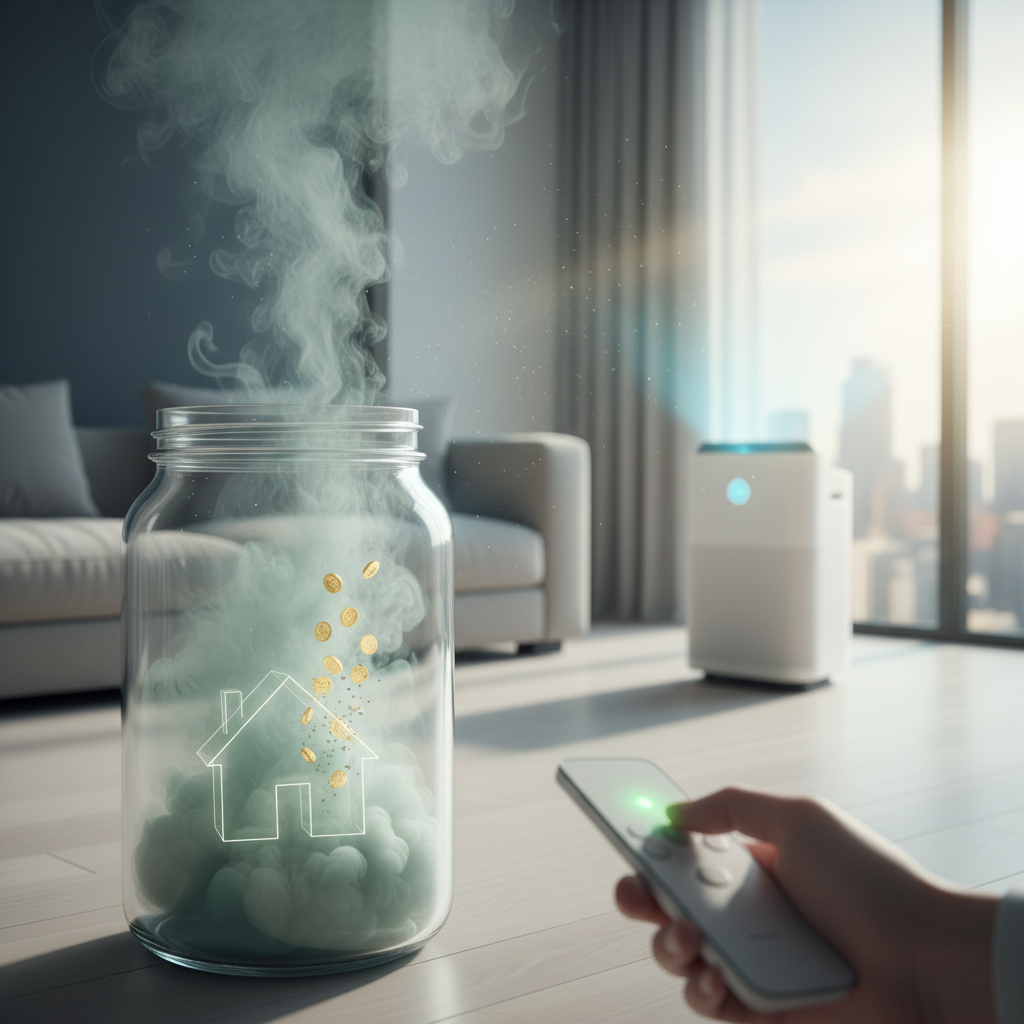
How Your Home's Air Quality Is Secretly Sabotaging Your Health (And Your Wallet)
Sarah Martinez thought she'd found the perfect starter home in Denver last spring—granite countertops, hardwood floors, and a price tag of $485,000 that fit her budget perfectly. Six months later, her family's medical bills had jumped by $2,400, her 8-year-old daughter developed asthma, and Sarah discovered the house's "charming vintage character" came with a hidden cost: toxic indoor air quality.
This story plays out in homes across America every day. We obsess over mortgage rates and square footage, but completely ignore the invisible health hazards that can drain our bank accounts for years to come.
The $150 Billion Problem Nobody Talks About
Poor indoor air quality costs Americans roughly $150 billion annually in healthcare expenses, according to the Environmental Protection Agency. Yet most homebuyers spend more time researching their realtor's commission than testing what they'll be breathing for the next decade.
Here's what's particularly shocking: indoor air is typically 2-5 times more polluted than outdoor air. Sometimes it's 100 times worse.
Your dream home might be pumping out formaldehyde from new cabinets, harboring mold behind those beautiful subway tiles, or circulating decades-old dust through an HVAC system that's never been properly cleaned. Each breath is a small withdrawal from your future health savings account.
The Real Estate Red Flags That Signal Health Hazards
New Construction Isn't Always Better
Contrary to popular belief, brand-new homes often have the worst air quality. Builders use materials loaded with volatile organic compounds (VOCs)—think fresh paint, new carpeting, pressed wood furniture, and adhesives. These chemicals off-gas for months or even years.
I learned this firsthand when my friend bought a new construction townhome in Austin for $520,000. Within weeks, she was experiencing headaches, fatigue, and respiratory irritation. An air quality test revealed formaldehyde levels three times higher than recommended limits.
Solution: If you're buying new construction, negotiate a 30-day delay before moving in. Run fans, keep windows open, and let those materials finish their initial off-gassing phase.
The Basement Tells the Truth
Most people tour a basement thinking about storage space or potential man caves. Smart buyers look for health clues:
- Water stains on walls or ceiling tiles
- Musty odors (your nose knows mold)
- Visible condensation on pipes or windows
- Efflorescence—those white, chalky deposits on concrete walls
Basement moisture problems don't stay in the basement. They create whole-house air quality issues that can trigger asthma, allergies, and respiratory infections.
HVAC Systems: The Lungs of Your Home
When was the last time those ducts were cleaned? Most sellers can't answer this question, which should terrify you.
Dirty HVAC systems circulate dust, pollen, pet dander, and sometimes mold spores throughout your entire home. The American Lung Association recommends duct cleaning every 3-5 years, but most homeowners ignore this completely.
Before closing on any home, hire a certified HVAC technician for a $200-300 inspection. It's cheaper than the $3,000+ you'll spend on duct cleaning and system repairs later.
Location Decisions That Impact Your Family's Health
The School District Trap
Everyone wants to live near good schools, but proximity to busy roads can create serious air quality issues. Homes within 500 feet of major highways show elevated levels of nitrogen dioxide, particulate matter, and other pollutants linked to childhood asthma.
The trade-off isn't worth it. Your kids' lungs matter more than shaving five minutes off the school commute.
Industrial Neighbors You Can't See
That charming neighborhood might be downwind from a chemical plant, dry cleaner, or gas station. Use the EPA's EJSCREEN mapping tool to check for nearby pollution sources before making an offer.
I almost bought a beautiful Victorian in Portland until I discovered it was 0.3 miles from a former industrial site with documented soil contamination. The seller's disclosure mentioned nothing about it.
Smart Testing Before You Buy
Don't rely on a standard home inspection to catch air quality problems. Most inspectors aren't trained to identify these issues, and their liability doesn't cover health impacts.
Here's what I recommend:
- Radon testing: Non-negotiable in any home with a basement or crawl space. Radon causes 21,000 lung cancer deaths annually and is completely preventable with proper mitigation.
- Mold inspection: Especially important in humid climates or homes with previous water damage. Budget $400-800 for professional testing.
- VOC testing: Use a portable air quality monitor like the PurpleAir or IQAir AirVisual during your final walkthrough.
The Financial Upside of Clean Air
Homes with documented good air quality sell faster and command higher prices. A 2021 study by the National Association of Realtors found that buyers will pay 2-7% more for homes with air purification systems and clean HVAC maintenance records.
Smart sellers are catching on. They're advertising HEPA filtration systems, low-VOC materials, and recent duct cleaning as selling points.
Your Health-First Home Buying Strategy
Schedule your showing for a weekday morning when the house has been closed up overnight. This gives you the most accurate sense of baseline air quality.
Bring your nose to the party. Trust what you smell—paint fumes, mustiness, or chemical odors are legitimate deal-breakers.
Budget an extra $2,000-5,000 for immediate air quality improvements in any home purchase. This might include duct cleaning, air purifier installation, or addressing minor moisture issues.
Negotiate air quality fixes into your purchase agreement. Sellers often prefer handling these repairs over reducing the sale price.
The 30-Day Rule That Changes Everything
After moving into any new home, monitor your family's health for 30 days. Keep a simple log of headaches, respiratory symptoms, or sleep quality changes.
If problems emerge, act immediately. The longer you wait, the more expensive solutions become—and the greater the impact on your family's wellbeing.
Your home should be your sanctuary, not a source of chronic health problems. Make air quality a non-negotiable part of your next real estate decision.